




Citizen VigilanteMovie: Immigration deeply divides the west
-
- July 11, 2026

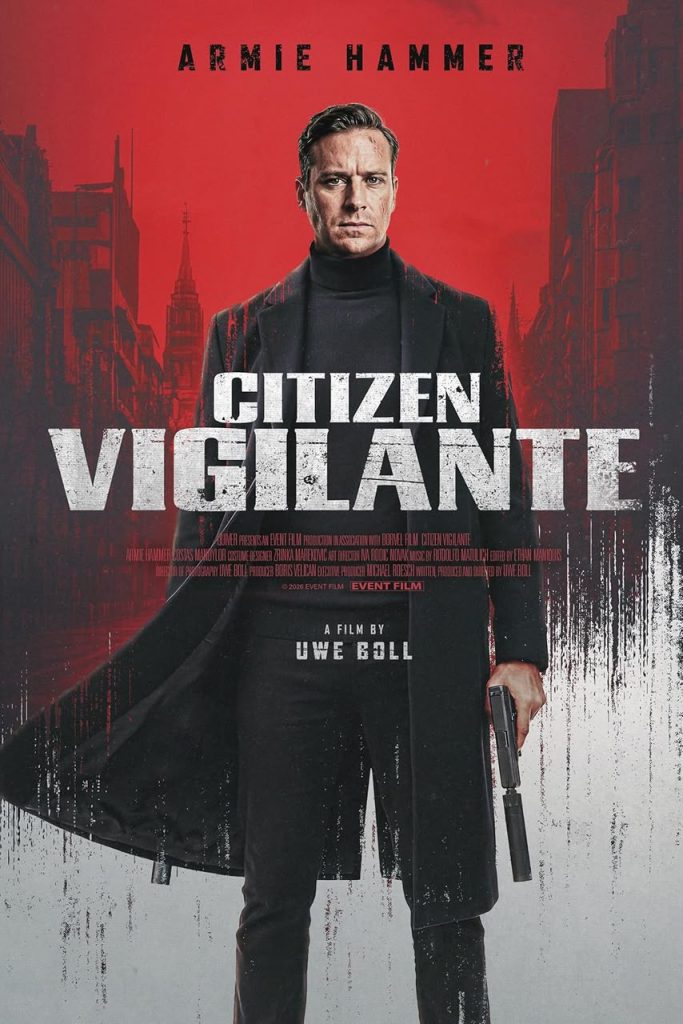
On the surface, Citizen Vigilante is just another low-budget action thriller. In reality, it brought the most troubling issue of the developed world to the fore through a controversial film.
Directed by Uwe Boll and starring Armie Hammer, the 2026 film follows Michael Sanders, an American ex-soldier turned vigilante who hunts violent criminals and the political elites he believes have failed ordinary citizens. It is violent, controversial, and unlikely to win any awards.

But reducing Citizen Vigilante to another revenge movie misses the point.
The film is less interesting as cinema than it is as a political statement.
It arrives at a time when Europe is experiencing one of its most significant ideological shifts in decades. Across the continent, conservative and right-wing parties are gaining ground, with immigration becoming the defining issue of political debate.

For years, Europe embraced an increasingly liberal vision of migration. Successive waves of migrants and asylum seekers from Africa, the Middle East, and other conflict regions entered European countries under humanitarian and labour migration policies. While many have integrated successfully, rapid migration has also placed pressure on housing, public services, border security, and social cohesion in several countries.
Those concerns have become fertile ground for conservative politics.
The United Kingdom is perhaps the clearest example. In England’s 2025 local elections, Reform UK emerged as the biggest winner, securing the largest number of council seats contested and taking control of multiple councils for the first time. Immigration was not the only issue in the election, but it was undoubtedly the party’s defining message.
This political momentum is not confined to Britain.
Across Europe, governments are hardening their migration policies. The European Union’s new Pact on Migration and Asylum introduces faster border procedures, expands mechanisms for returning people staying illegally in the EU, and gives member states stronger tools to enforce deportation orders. Supporters argue these reforms restore confidence in border control. Critics contend they weaken protections for asylum seekers and increase the risk of prolonged detention and reduced access to due process.
Citizen Vigilante taps directly into this political climate. The tension it strokes became evident after the movie’s ban in Germany. The nation’s ratings board chose not to give it an age classification, citing extreme violence and themes that incite violence against migrants.
On the other extreme end of the divide are people like the world’s richest man, Elon Musk. The South African billionaire has shown great support for the movie by streaming it on X for 48 hours and boosting positive reviews about it.
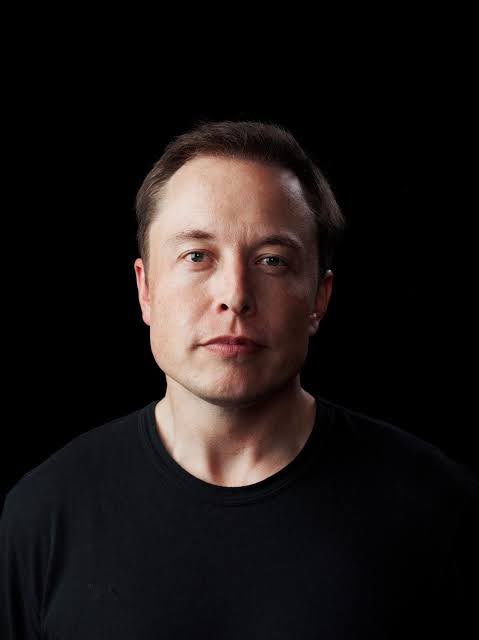
The film revolves around crimes that its protagonist believes the justice system refuses to punish. It portrays courts, politicians, and institutions as unwilling, or unable to protect ordinary people. Whether viewers agree with that portrayal is almost beside the point.
Its message resonates because many Europeans increasingly believe their governments have failed to respond decisively to issues surrounding crime, illegal immigration, and public safety.
That helps explain why a film with modest production values has generated so much conversation.
It is not succeeding because it is a cinematic masterpiece.
It is succeeding because it reflects anxieties that many people already have.
Throughout modern history, films have often served as cultural mirrors. They reveal what societies fear, what they celebrate, and what they are beginning to believe.
Citizen Vigilante appears to be doing exactly that.
Whether one agrees with its politics or not, the film is a reminder that popular culture does not exist in isolation. Sometimes, it tells us less about Hollywood and more about the society watching.
And if Citizen Vigilante is any indication, Europe’s political centre continues to move toward a more conservative understanding of borders, national identity, and public security.
The movie may fade from memory.
The political questions it raises almost certainly will not.
Here’s the link to watch the movie:
https://x.com/